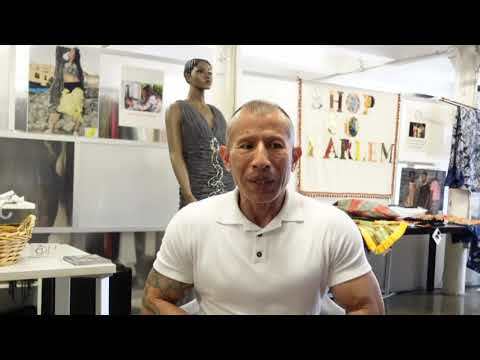
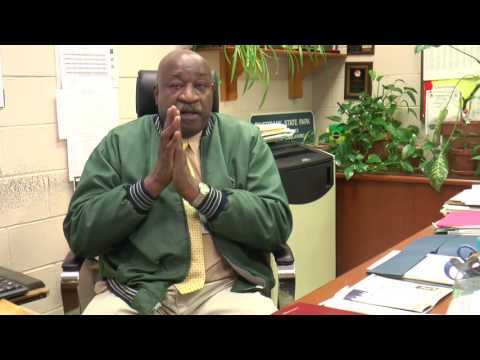
Save Harlem Now! visited the fashion incubator @soharleminc and introduced a piece of Harlem, through a guided tour, to international students at @paceuniversity. The students got to meet Olivia the Creative Director, one of the apprentice students, and their master craftsman in-house designer Javier. We sat down with @javiervalencia39 as he reminisced on his humble beginnings in East Harlem, how Harlem culture has impacted his career alongside his latest project, @blacksmoketribute – a brand he is building from the ground up honoring the late @popsmoke.
Alfred Warren Gene Norman, Feb1935-Sep 2020, was the first, and to date only, African American Chairman of the New York City Landmarks Preservation Commission (LPC). Serving under Mayor Edward I. Koch in the 1980s, Norman helped defeat New York State legislation that would have exempted religious institutions from landmarks designation, and oversaw the preservation of St. Bartholomew's Church. During his tenure as chairman, LPC granted landmark designation to the Coty and Rizzoli Buildings on Fifth Avenue; the Ladies Mile shopping area from 15th to 24th Streets, between Park Avenue South and Avenue of the Americas; and the Coney Island Cyclone. Norman was widely praised for his superior skill in navigating New York City's landmarking bureaucracy.
70 years ago, Riverton, a "separate but equal" community, was created by Metropolitan Life Corporation in Harlem for "Negroes," who were then excluded from consideration for housing at its other three locations in lower Manhattan and the Bronx.
The resulting community became noteworthy for its strong educational and cultural values and an ongoing sense of unity that transcends the physical place.
The "children" of this storied and controversial community have sustained a tradition of convening for periodic reunions since 1973.
Roger Parris, a renowned poet who was an original tenant, delivered a stirring poem entitled "It was a Moment", to cap off the evening's events at this 7-23-2017 event.
The great actor Earl Hyman passed away this week following a prolonged illness. This clip was captured as part of a work in progress about Frederick O'Neal and the American Negro Theatre
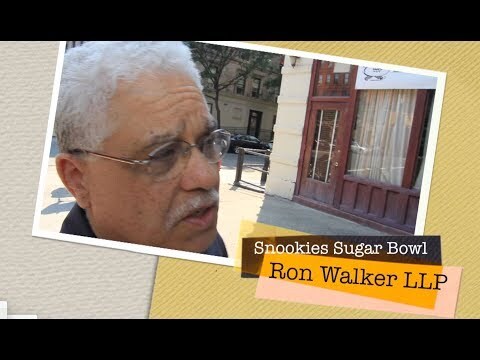
On Adam Clayton Powell Boulevard, (also known as 7th Avenue), just down the block from "The Rooster" and "Jock's Place," and across the street from the Renaissance Ballroom was a family-friendly gathering place known as "Snookie's Sugar Bowl"
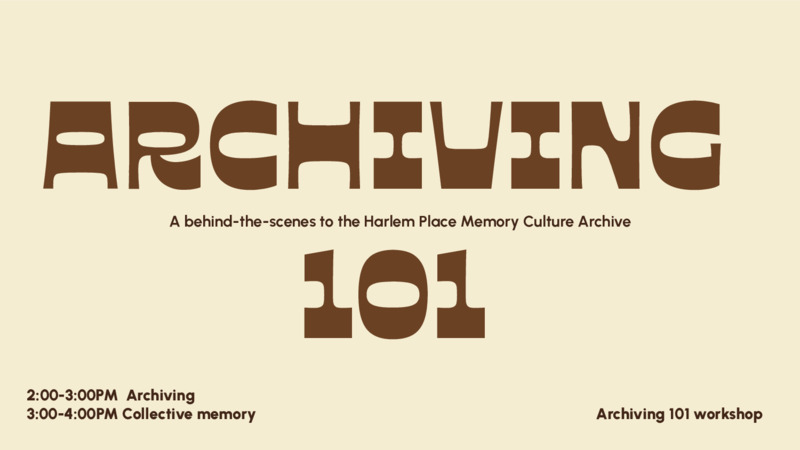
These slides guided a workshop meant to introduce participants to archiving and identify their own needs and next steps to care for their personal archives. The workshop was presented by Lester Liu and jah elyse sayers of the Place, Memory & Culture Incubator on November 15, 2025.
Segment begins at 0:13:15 and continues until 0:18:50.
Urban U is a CUNY-TV magazine show about CUNY students, faculty, alumni, and programs. The stories highlight the quality and rewards of a CUNY education, one that enables people to achieve great things. As the world’s largest urban university with 24 campuses spread across New York City’s five boroughs, CUNY is as rich and diverse as the City itself. With a history of over 100 years, the university scope of Urban U stories is immense.
Urban U will inform, inspire and engage viewers by reporting on the relevant happenings within the CUNY system, but also by exploring the achievements of its body of students, faculty and alumni.
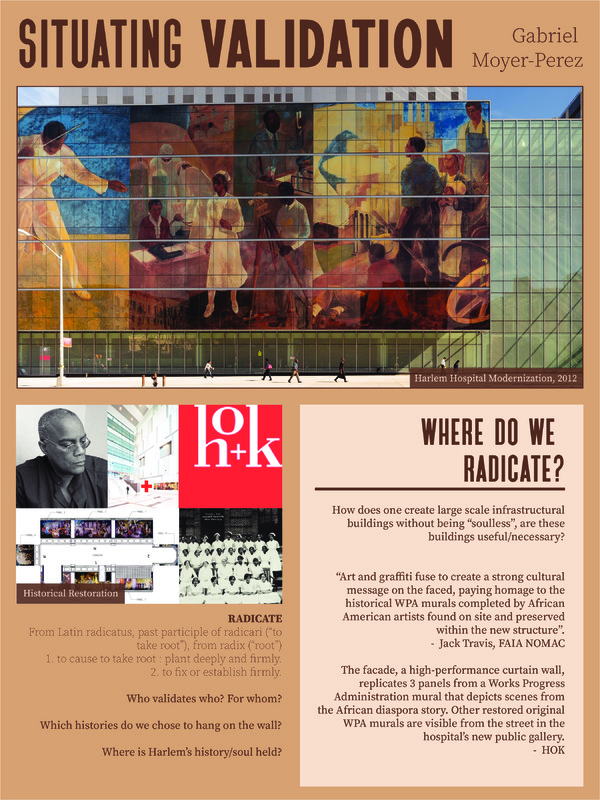
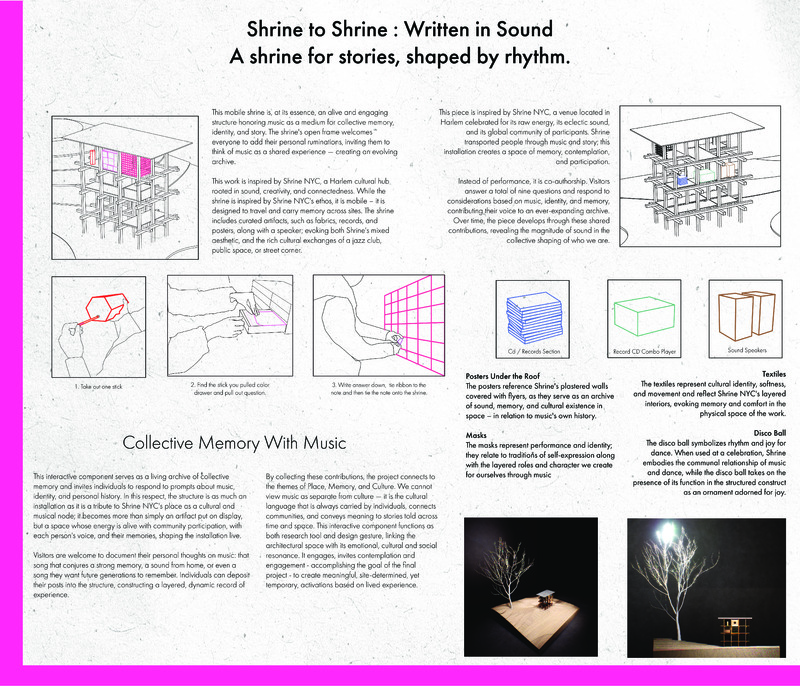
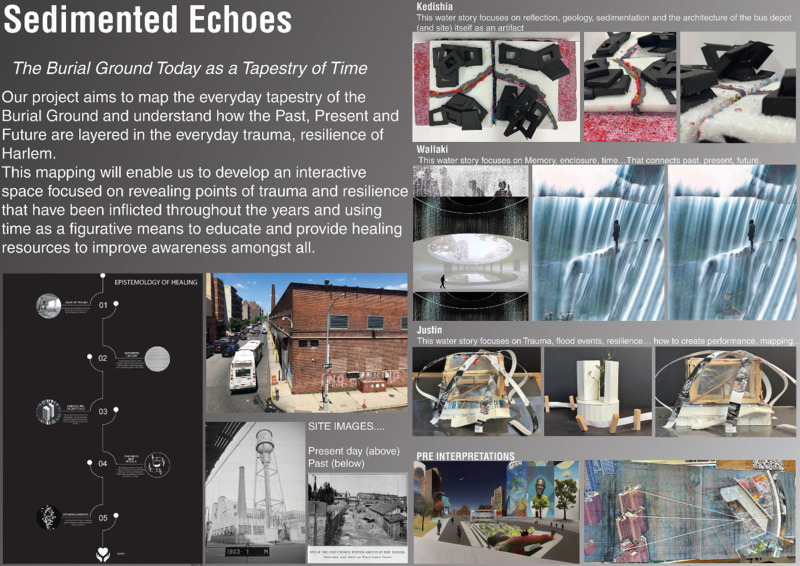
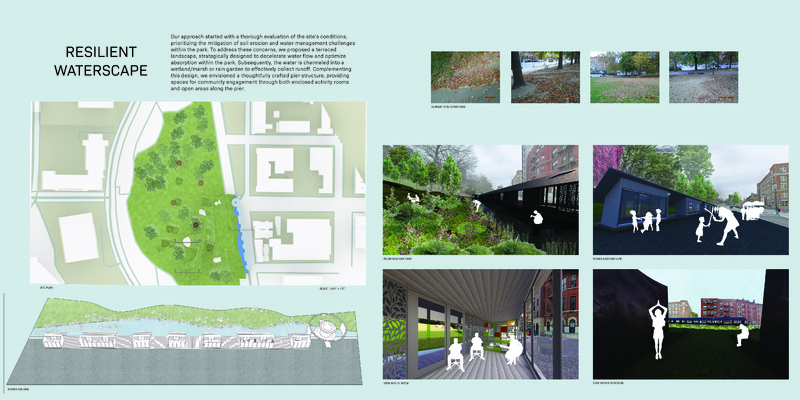
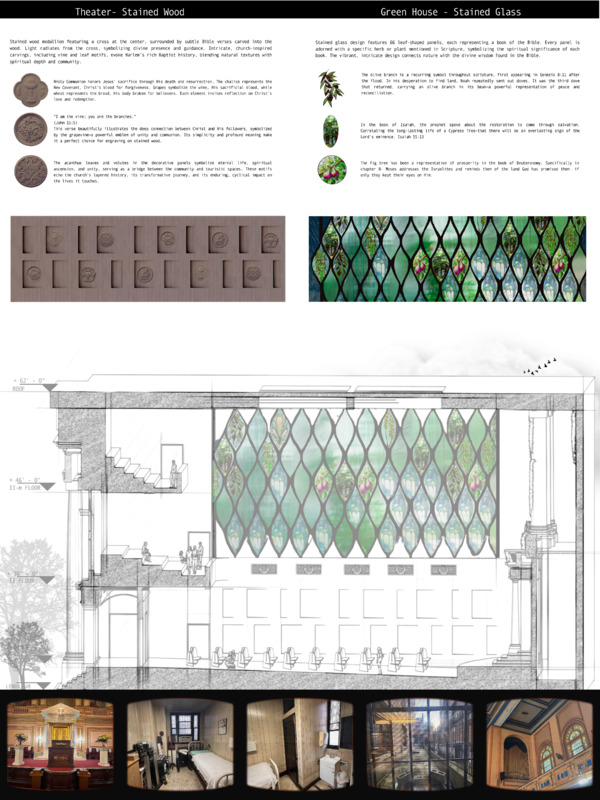
In this episode, Urban U checks out the "Generative Histories" Exhibit at Spitzer School of Architecture, showcasing the work of the Place, Memory & Culture Incubator
Samantha Fox, M. Arch student at Spitzer School of Architecture, interviews Kazembe Balagun, Executive Director of Maysles Documentary Center, on November 8, 2024.
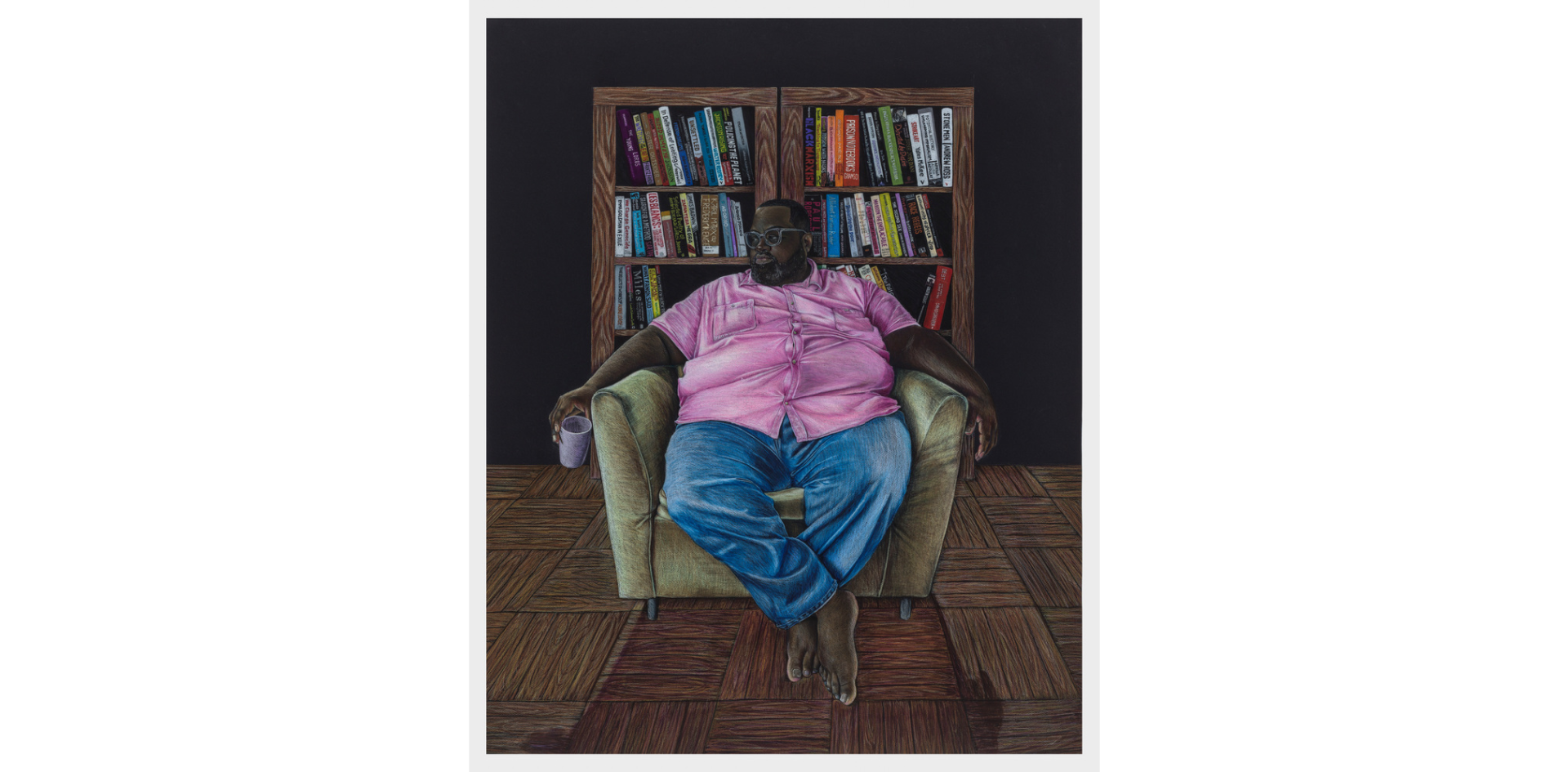
The image paired with this interview is a 2022 illustration (color pencil on paper) titled "Kazembe Balagun, Black Militant Study" by Shellyne Rodriguez. Shellyne Rodriguez is a Bronx-based artist, educator, historian, writer, and community organizer who works in a variety of media, including drawing, painting, collage, and sculpture. Rodriguez stewards the histories and stories of people that have shaped her lived experience, describing her practice as “the depiction and archiving of spaces and subjects engaged in strategies of survival against erasure and subjugation.” Through her multidisciplinary practice, Rodriguez documents the ways in which the diverse social fabric of the South Bronx is rewoven as the people and cultures coexist. Rodriguez utilizes language as well as cultural and sociopolitical references to create unified portraits of individuals from various communities formed in what she describes as the “periphery of empire.” Engaging with the legacy of the Ashcan School, who bore witness to the rise of the modern metropolis and depicted how the poor and working class in New York enclaves were transformed by this, Rodriguez views figures such as Alice Neel, Jane Dickson, and Martin Wong as an extension of this tradition and situates her practice alongside them.