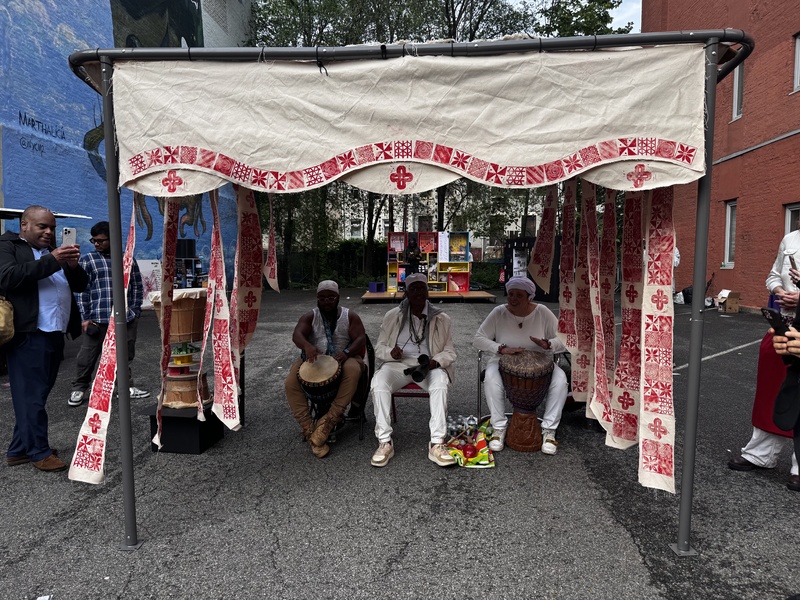
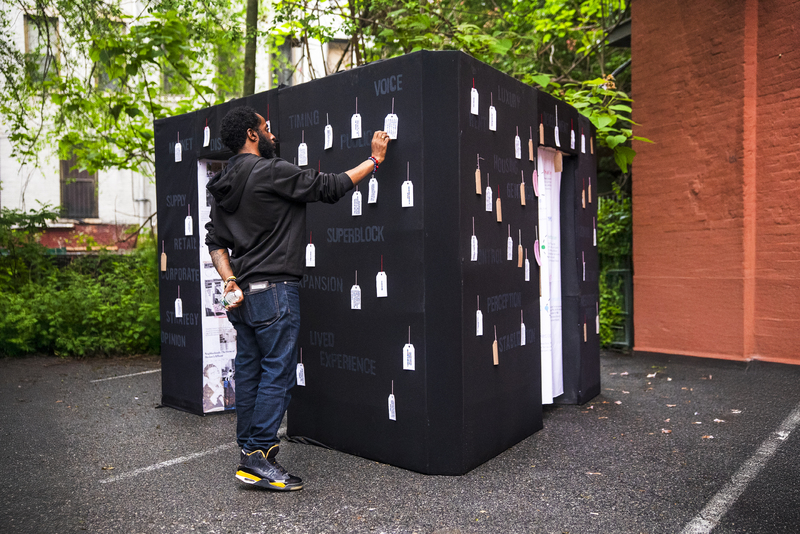
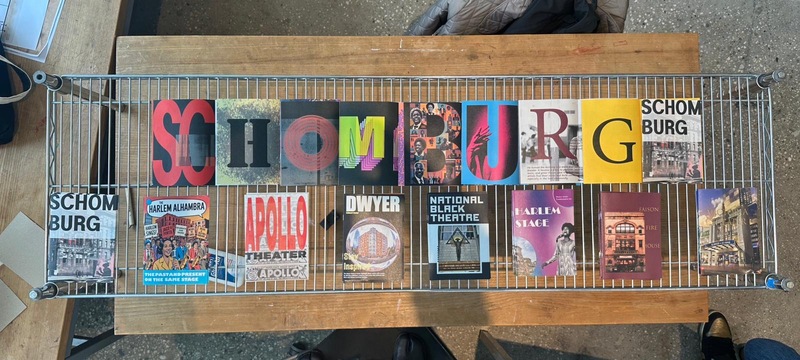
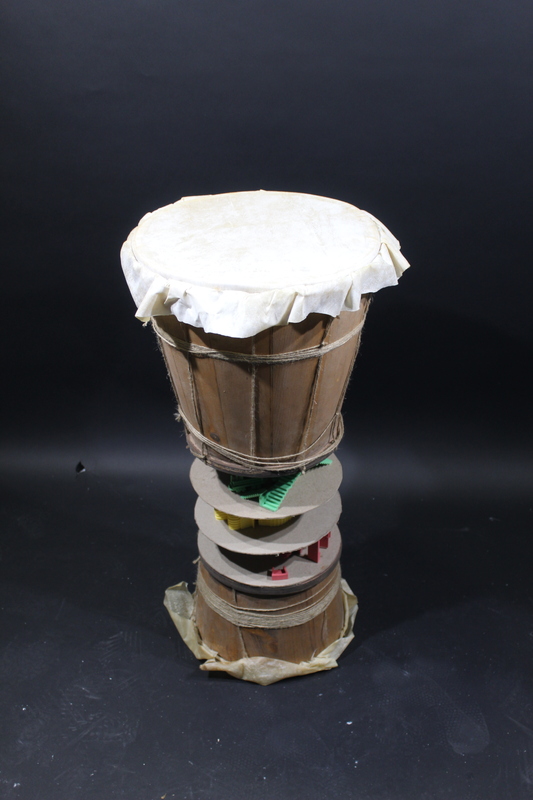
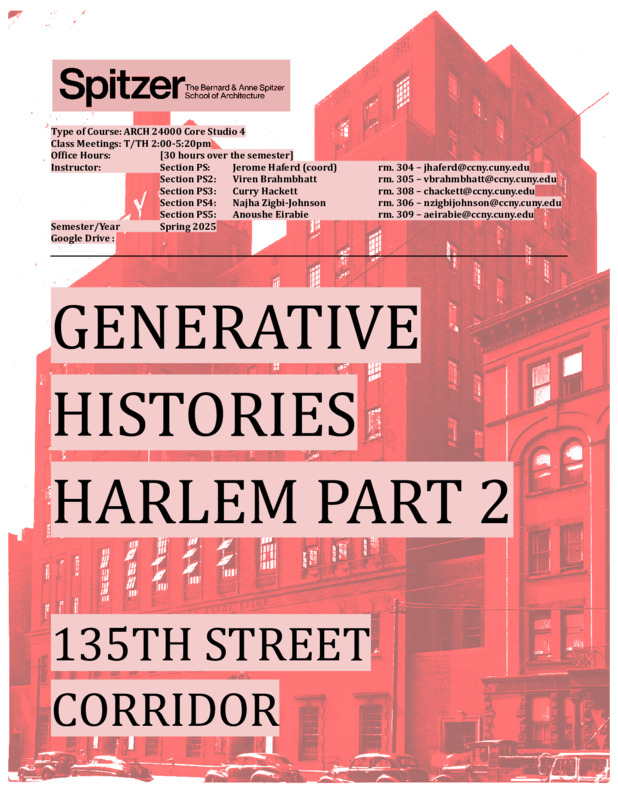
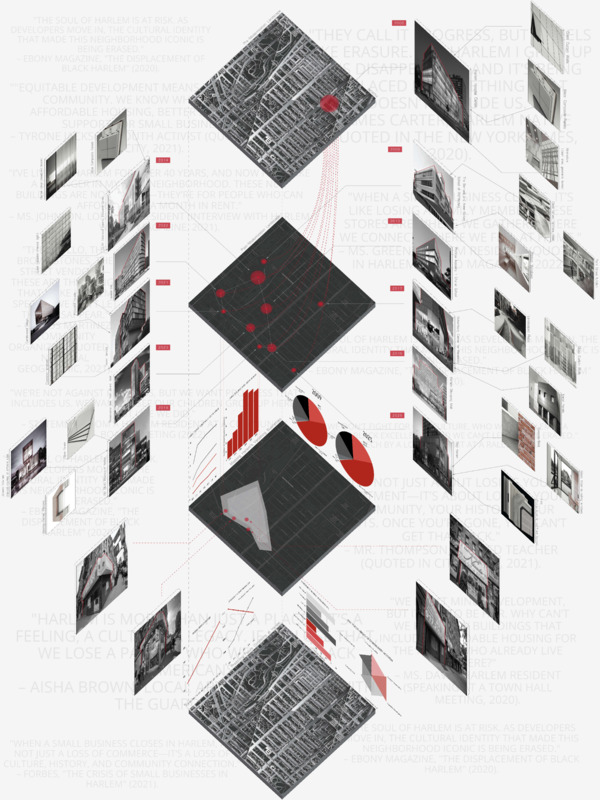
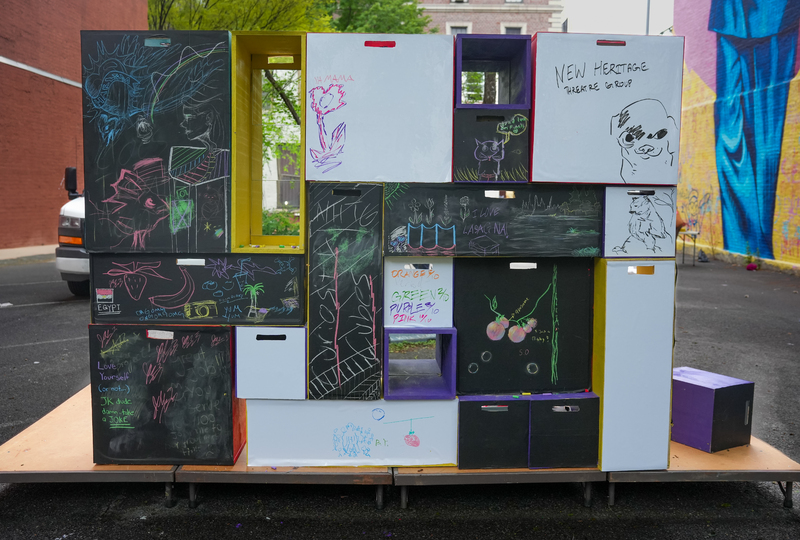
Spring 2025 Place, Memory & Culture Incubator studio, taught by Jerome Haferd.
Contributor
Brahmbhatt, Viren
Eirabie, Anoushe
Hackett, Curry
Zigbi-Johnson, Najha
Subject
135th Street Corridor
Temporal Coverage
January 2025 - May 2025
Date Created
2025-01-05
Abstract
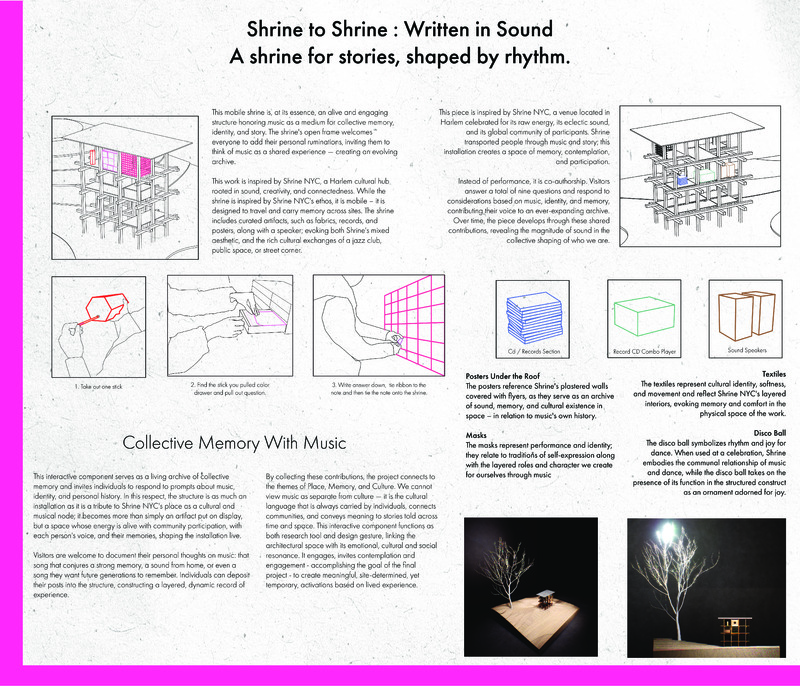
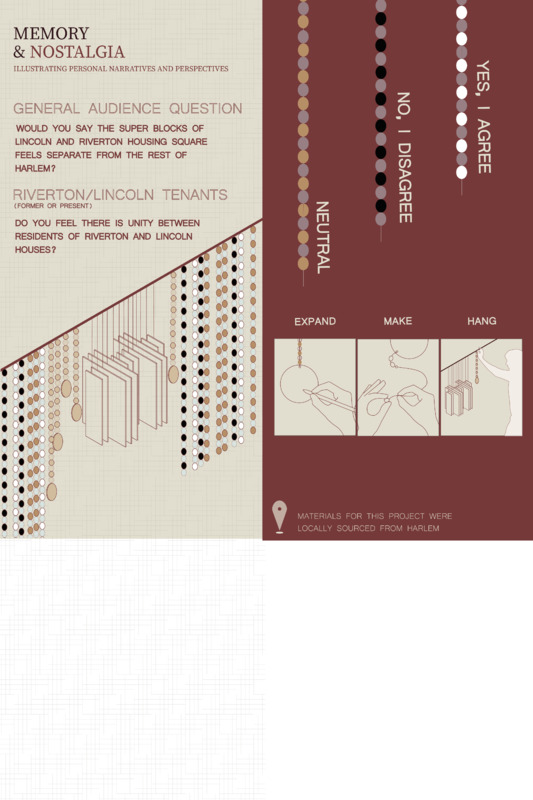
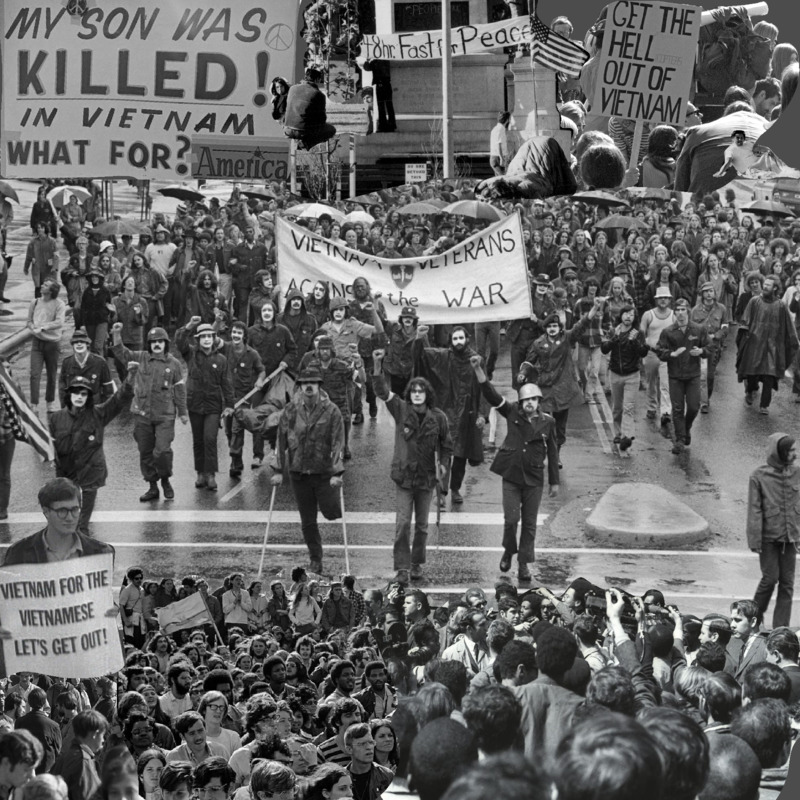
What is “history”, and how do we engage cultural material as designers of the built environment? Architecture is both a cultural practice and a cultural product. Thus, we architects can and should be in dialogue with other forms of cultural production. Generative Histories Harlem is the second iteration of an innovative new course, initiated last year, based on the question : how do we (architects) understand, incorporate, and “image” living history in our pedagogy, approach and our design expression which shapes the built environment of places like Harlem. This course will be the second of a new iteration of Core IV studios supported by the Place, Memory, and Culture Incubator at SSA. This expansive pedagogy is to innovate how we center culture, community, and living history not only in how we preserve, but also how we design and imagine culturally resilient spatial futures for the city. Generative Histories: Harlem, will look to Harlem 135th street’s architectural and cultural landscape as a starting point for changing the way we teach and “do” design and preservation. The main effort of the spring course is 1) document and map Harlem and 135th street’s tangible and intangible landscape in new and exciting ways, 2) to test and develop new means to translate Harlem’s historic and living cultural material into design - for the future physical, human landscape of 135th street, and 3) do this work in dialogue with community actors.
Segment begins at 0:13:15 and continues until 0:18:50.
Urban U is a CUNY-TV magazine show about CUNY students, faculty, alumni, and programs. The stories highlight the quality and rewards of a CUNY education, one that enables people to achieve great things. As the world’s largest urban university with 24 campuses spread across New York City’s five boroughs, CUNY is as rich and diverse as the City itself. With a history of over 100 years, the university scope of Urban U stories is immense.
Urban U will inform, inspire and engage viewers by reporting on the relevant happenings within the CUNY system, but also by exploring the achievements of its body of students, faculty and alumni.
In this episode, Urban U checks out the "Generative Histories" Exhibit at Spitzer School of Architecture, showcasing the work of the Place, Memory & Culture Incubator
Jerome W. Haferd is a New York–based licensed architect, public artist, and educator, known for his deep engagement with re-centering marginalized histories in Harlem's built environment.
Imani Rashid is an entrepreneur, teacher, visionary, event planner, Godmother to many, leader, Yoruba Priestess, mentor, friend and sister to others and a founding member of Salsa Soul Sisters (the oldest Black lesbian organization in the United States). Imani has dedicated her life to enriching and expanding the education of young children using the principles of Kwanza and creative practices such as drumming and aviation. Imani founded the Yoruba Cultural Center of New York City in Harlem in 1990 to gather Afro-diasporic people, primarily of the NJ-NY-CT area, to share history, language, divination, songs and dances of the Orishas, and the cosmology of the Yoruba People of Southwest Nigeria. The Yoruba Cultural Center closed in 1993, but its community-building and impacts have been lasting, and the center will resume its Saturday Night Lecture Series on Saturday, February 15, 2025.
Glenn Hunter is the Co-Founder and Co-Executive Director of Harlem Cultural Archives, a 501(c)(3) not-for-profit historical society dedicated to gathering important oral history from the Harlem community. To date, the organization has conducted videotaped interviews with nearly 200 accomplished Harlem residents. Glenn is a career educator specializing in math and information technology. In addition to his role as an Adjunct Lecturer at Baruch College, Glenn is a dedicated community organizer and advocate.
The Place Memory and Culture Incubator at Spitzer is pleased to invite all students, faculty, staff, and guests to the upcoming Presentation & Discussion / Q&A featuring Amber Jamilla Musser and Emily Holloway and moderated by jah elyse sayers.
This event will be held in person at the Spitzer School of Architecture, first floor, Sciame Auditorium (Room 107) and will occur this Thursday April 10th, 2025 at noon.
Amber Jamilla Musser is a professor of English and Africana studies at the CUNY Graduate Center. She writes and researches at the intersections of race, sexuality, and aesthetics. In addition to writing art reviews for The Brooklyn Rail. She has published widely in queer studies, black feminism, psychoanalysis, and critical theory. She is the author of Sensational Flesh: Race, Power, and Masochism (NYU Press, 2014), Sensual Excess: Queer Femininity and Brown Jouissance (NYU Press,
2018), and Between Shadows and Noise: Sensation, Situatedness, and the Undisciplined (Duke University Press, 2024).
Emily Holloway, PhD, is the Associate Managing Editor of Urban Affairs Review and a postdoctoral fellow at Drexel University. Her book project, “Domino in the Longue Durée: Racial Capitalism and the Urban Question,” reconstructs the prehistory of the Domino Sugar Refinery in Williamsburg, Brooklyn, through the site’s connections to the Caribbean sugar plantation complex. She has a PhD in Geography from Clark University and a master’s degree in urban policy from Hunter College. She has worked with several different community development and urban research institutes in New York City and Philadelphia, including the Bronx Cooperative Development Initiative, the Brooklyn Waterfront Research Center, and the Urban Heritage Project at the University of Pennsylvania.